Private Benjamin Bromley (18245)
1st Battalion King’s Shropshire Light Infantry
Benjamin Bromley died of his wounds on 26 February 1916, at the age of 35. He is buried in the Menin Road South Military Cemetery in Ypres, Belgium. Benjamin and his wife Sarah Ellen (formerly Bonner) were both born in Llanyblodwel, a community known for its strong ties to the local Llanyblodwel church. His mother was Sarah Bromley of Vownog Terrace, who later married James Reeves, a limestone quarryman also from Vownog Terrace. Benjamin’s marriage to Sarah Ellen in 1907 is registered under the name Benjamin Bromley Reeves.
On the 1911 census, Benjamin’s occupation was listed as lime drawer, and he and his wife resided at Cefn Lane Cottage, Nantmawr. He enlisted in Oswestry in June 1915, by which time they were living in Nant y Caws. At some stage between the 1911 census and his death, they had adopted a child, Katherine Mary (born in 1910). After Benjamin’s death, Sarah Ellen married Thomas Williams and moved to Weston Rhyn.

Lance Corporal Albert Davies (24296)
7th Battalion King’s Shropshire Light Infantry
Albert Davies was killed in action on 13 May 1917 at the age of 27. He is buried in the Feuchy Chapel British Cemetery in Wancourt, near Arras in France.
Albert was born and lived in Oswestry. He married Rosa Jane (formerly Owen) in the autumn of 1914. They had twin daughters, Rosa Jane and Amy Elizabeth, born in May 1915. The family lived at 4 Cefn Blodwel Cottages, Nantmawr. There are photographs of Albert and of his family in one of the framed displays at the Llanyblodwel and Porthywaen Memorial Institute, where the war memorial is located.
Rosa is buried here in the churchyard, and Albert is commemorated on her headstone.
Albert Davies is also named on the war memorial altar in the St George’s War Memorial Chapel of St Oswald’s Church, Oswestry.

Corporal David Davies (152)
7th Battalion Royal Welsh Fusiliers
David Davies was killed in action at Gallipoli on 10 August 1915 at the age of 29. He is commemorated on the Helles Memorial in Turkey.
David, who was born in Guilsfield, was one of the two sons of Richard and Eleanor Davies of Llanyblodwel to die in the Great War. His mother was the postmistress in Llanyblodwel. David worked as a postman in Oswestry. He arrived in Gallipoli on 8 August 1915, just two days before his death.
His loss was reported in the Liverpool Echo on 8 September 1915.
His name is recorded in the Welsh National Book of Remembrance for the First World War, which was created in 1928 and contains the names of “the men and women of Welsh birth and parentage and of all the men belonging to the Regiment of Wales who gave their lives in the war of 1914-1918”.
The Davies brothers are both remembered on their parents’ gravestone here in the churchyard.

Rifleman David John Davies (R/13072)
7th Battalion King’s Royal Rifle Corps
David John Davies died of his wounds on 15 September 1916, during the Battle of the Somme. He enlisted in Market Drayton on 22 May 1915, and arrived in France on 30 December 1915. He is buried in the Guards’ Cemetery, Lesboeufs, France.
At the time of the 1911 census, David, who was born in Tonypandy, was living with his parents Thomas and Catherine at the Level Crossing Cottage in Llynclys and working as an apprentice in a grocery stores. By the time of his enlistment, his family had moved to The Wildings, Sweeney Mountain.
Sadly, his service records show that David’s parents knew that he had been wounded, but his death was not confirmed. On 23 October they had still had no news and sent this note:
“We have had information from the War Office that our son was wounded in action on the 15th of September and we have received no reply since. We should be glad to hear…” [remainder illegible/missing]
There is no further information in the service records of when his death was finally confirmed to his parents. However, a Commonwealth War Graves Commission burial return dated 26 July 1919 records his exhumation from the battlefield and his reburial at Lesboeufs.
David is also listed on the war memorial in Morton, and commemorated on his parents’ grave in the churchyard there.

Corporal Richard Edward Davies (6509)
4th Battalion Royal Welsh Fusiliers
Richard Davies died on 16 March 1915 at the age of 30. He is buried in Wimereux Communal Cemetery, France.
Richard, who was born in Guilsfield, was one of the two sons of Richard and Eleanor Davies of Llanyblodwel to die in the Great War. His mother was the postmistress in Llanyblodwel.
Richard worked as an under lineman for the Great Western Railway before joining in the army, which he did some years before the war. He first enlisted in Ruabon in 1910, and signed his re-engagement papers in Wrexham on 27 February 1914. He arrived in France on 6 November 1914.
His name is recorded in the Welsh National Book of Remembrance for the First World War, which was created in 1928 and contains the names of “the men and women of Welsh birth and parentage and of all the men belonging to the Regiment of Wales who gave their lives in the war of 1914-1918”.
The Davies brothers are both remembered on their parents’ gravestone here in the churchyard.

Private David Richard Edwards (56972)
10th Battalion Welsh Regiment
David Edwards died of wounds received in action on 8 August 1917 at the age of 22. He is buried in the Dozinghem Military Cemetery in Belgium. He had initially enlisted in the Montgomeryshire Yeomanry, transferring to the Welsh Regiment after his arrival in France in August 1916.
David was born in Llangedwyn. At the time of the 1911 census, he was living with his parents William and Mary Edwards at Vicarage Cottage, Llanyblodwel, and was working as an assistant groom and gardener. After his death, they lived at Laburnum House, Llanyblodwel.
His loss was reported in the Wellington Journal & Shrewsbury News on 18 August 1917:
“LLANYBLODWEL - The sad news of the death from wounds of Pte. David Richard Edwards, son of Mr. William Edwards, reached his parents on Monday night, and quite a gloom has been cast over the parish. The deceased was a very popular young man, and worked for years at the Vicarage, leaving his work at the outbreak of war to serve his King and country with the Mont.
Yeomanry. He will be greatly missed by everyone who knew him, for he was always so bright and genial. His parents and the family have the deepest sympathy of the whole district.”
His name is recorded in the Welsh National Book of Remembrance for the First World War, which was created in 1928 and contains the names of “the men and women of Welsh birth and parentage and of all the men belonging to the Regiment of Wales who gave their lives in the war of 1914-1918”.
Various family documents including a letter from David can be seen in the framed display in the corridor between the main hall and small hall of the Institute.

Private (David Henry) Philip Edwards (355399)
25th (Montgomeryshire and Welsh Horse Yeomanry) Battalion, Royal Welsh Fusiliers
Philip Edwards was killed in action in Palestine on 30 November 1917 at the age of 22. He is commemorated on the Jerusalem Memorial. He had originally enlisted in the Montgomeryshire Yeomanry on 1 June 1915. He landed in Egypt on 10 April 1916 and was transferred to the Royal Welsh Fusiliers on 16 December 1916.
In the 1911 census Philip, who was born in Llanyblodwel, gave his occupation as horse man. He was living in Porthywaen with his widowed mother Elizabeth, three older sisters and a younger brother. After the war her address was White Rock, Llynclys.
His name is recorded in the Welsh National Book of Remembrance for the First World War, which was created in 1928 and contains the names of “the men and women of Welsh birth and parentage and of all the men belonging to the Regiment of Wales who gave their lives in the war of 1914-1918.

Private William Edwards (21394)
6th Battalion King’s Shropshire Light Infantry
William Edwards was recorded as presumed dead on 30 March 1918, when he was 41 years old. He is commemorated on the Pozières Memorial in northern France.
William was born in West Felton. At the time of the 1911 census, he was a farmer, living on Cefn Lane with his wife Annie and their three children (Dora born in 1904, William born in 1907, and Amy born in 1911). His parents, John and Hannah Edwards, were living in The Bungalow in Nantmawr.
The 1921 census shows Annie living in Lancashire with the children.

Private Wilfred Evans (66315)
2nd Battalion Royal Welsh Fusiliers
Wilfred Evans is believed to have been killed in action during a German raid on Geleide Brook Post, near Nieuwpoort, Belgium on 22 August 1917, at the age of 19. He is buried in Coxyde Military Cemetery in Koksijde, Belgium.
Wilfred was born in Trefonen in 1898. At the time of both the 1901 and the 1911 censuses, he and his sister Gertrude were living with their grandmother Elizabeth Evans in Nuttree Cottage, Strawberry Lane, Treflach. His mother, Mary Ann Norris, lived in Liverpool.
His name is recorded in the Welsh National Book of Remembrance for the First World War, which was created in 1928 and contains the names of “the men and women of Welsh birth and parentage and of all the men belonging to the Regiment of Wales who gave their lives in the war of 1914-1918”.

Private Alfred Griffiths (16576)
6th Battalion King’s Shropshire Light Infantry
Alfred Griffiths died of wounds on 5 September 1916 at the age of 33. He is buried here in the churchyard.
At the time of the 1911 census, Alfred was living at the Corner House, Blodwel Bank, and working as a limestone quarry man. He had married Elizabeth Alice (formerly Keeler) in 1909 and they had several children before the war (Elizabeth Annie Daisy born in 1909, Walter born in 1911, Edith born in 1912, and Frances born in 1914). He was also stepfather to Evelyn Keeler born in 1905 and George Keeler born in 1907.
Alfred enlisted in January 1915 and arrived in France on 24 July 1915. His death was reported in the Liverpool Echo on 14 September 1916.
Alfred’s parents were Francis and Ellen Griffiths of Offa House, Treflach. He was baptised here in the church on 29 April 1883.
Lieutenant Hubert James Tudor Hamer
108th Indian Infantry attached to the 101st Indian Grenadiers
Hubert Hamer was killed in action whilst attacking German positions at Tanga in German East Africa on 4 November 1914, at the age of 31. He is buried in the Tanga Memorial Cemetery in Tanzania.
Hubert was baptised here in this church on 12 February 1883.
At the time of the 1901 census, he was living with his parents John Parry Hamer and Sarah Margaret Hamer at Glanyrafon Hall, and his occupation was given as mechanical engineer.
His loss was reported in the Wellington Journal & Shrewsbury News on 28 November 1914:
“Lieutenant Hubert James Tudor Hamer, 108th Infantry, Indian Army (Attached 101st Grenadiers), who was killed in action in East Africa on November 4th, was second son of the late John Parry Hamer (Late 8th King’s Regiment) of Glan-yr-afon, Oswestry, and of Mrs. Hamer. [] Lieutenant Hamer served in the ranks for three years, becoming a second Lieutenant in the Liverpool Regiment in August, 1907, and joining the Indian Army in February, 1909. He was gazetted lieutenant in the Indian Army in November 1909.”
A memorial service for Hubert Hamer was held here on 29 November 1914 and reported in the Liverpool Echo.
Hubert Hamer is also commemorated on the war memorial in Llansilin.
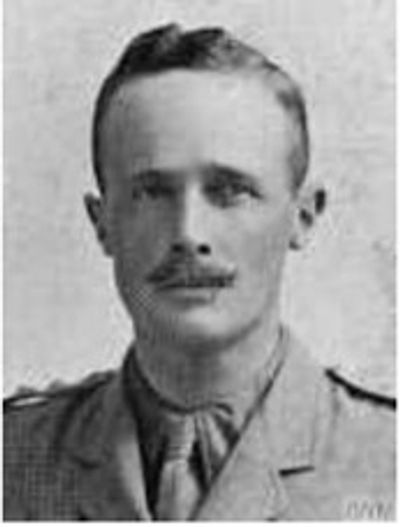
Private George Jones (16862)
5th Battalion King’s Shropshire Light Infantry
George Jones is believed to have been killed in action whilst attacking German positions at Bellewaarde, Belgium on 29 September 1915, at the age of 18. He is commemorated on the Menin Gate in Ypres, Belgium.
George’s parents were Thomas and Jane Jones of Fernbank, Llynclys Hill. He was born in Llandrinio. He enlisted in Oswestry in January 1915 and arrived in France on 23 June 1915.
His name is recorded in the Welsh National Book of Remembrance for the First World War, which was created in 1928 and contains the names of “the men and women of Welsh birth and parentage and of all the men belonging to the Regiment of Wales who gave their lives in the war of 1914-1918”.
Private Thomas Lewis Jones (1748)
1st Shropshire Yeomanry
Thomas Jones died of burns in Minia, Egypt, on 24 October 1916, at the age of 34. He is buried in the Cairo War Memorial Cemetery in Egypt.
Thomas’s parents were Robert and Ann Jones of Llanrhaeadr. He married Martha Ann Evans in 1905 and they had one son, John William, born in 1905. They lived at Chapel House, Sweeney Mountain with Martha’s family. She continued to live at Chapel House until she passed away in 1963, and she is buried in Morton churchyard.
His name is recorded in the Welsh National Book of Remembrance for the First World War, which was created in 1928 and contains the names of “the men and women of Welsh birth and parentage and of all the men belonging to the Regiment of Wales who gave their lives in the war of 1914-1918”.
Private William Tanat Jones (355342)
Royal Welsh Fusiliers
William Tanat Jones was killed in action whilst attacking German positions on 18 September 1918, at the age of 31. He is buried in Ronssoy Communal Cemetery which lies between Cambrai and Saint-Quentin in France. He had enlisted on 3 May 1915 in the Montgomeryshire Yeomanry and had served in Egypt during 1916.
At the time of the 1911 census William was living and working at Glanyrafon Farm, Llanyblodwel. His parents were William and Ann Jones of Glanyrafon, and he was born in Llanyblodwel.
On 4 January 1916 he married Mary Helena Jones, daughter of Mr and Mrs Jones of Ty Isa, in Cefnblodwel Chapel (announcement from the Gwyliedydd Newydd of 18 January 1916).
His loss was reported in the Llangollen Advertiser on 11 October 1918.
Mary Helena is buried here in the churchyard, and William is commemorated on her grave.

Lance Corporal Arthur Lewis (24305)
8th Battalion King’s Shropshire Light Infantry
Arthur Lewis was killed in action at Salonika on 18 September 1918 at the age of 26. He is commemorated on the Doiran Memorial in Greece, very near the border with Macedonia.
At the time of the 1911 census Arthur was living with the Michael family in Porthywaen and working as a railway porter with the Cambrian Railway Company.
Arthur was born in Llanyblodwel. His parents were Albert and Mary Lewis who ran the grocery stores in Porthywaen. He married Fanny Elizabeth Lewis in 1913. They had one daughter, Mary Elizabeth, who was born in 1914.
His loss was reported in the Llangollen Advertiser on 11 October 1918.
Arthur is also commemorated on his parents’ grave here in the churchyard, on the side of the memorial facing the path.
The inscription is now mostly illegible to the naked eye, but it reads:
ALSO OF
L-CPL ARTHUR LEWIS
8TH BATT. KSLI
BELOVED HUSBAND OF
FRANCES E. LEWIS
AND YOUNGEST SON OF
A.B. AND M. LEWIS
WHO FELL IN ACTION
SOMEWHERE IN THE BALKANS
SEPT 18TH 1918
AGED 26 YEARS
‘I HAVE FOUGHT A GOOD FIGHT’

Private Richard Lewis (47252)
10th Battalion King’s Own Scottish Borderers
Richard Lewis had served in the Welsh Regiment and the Labour Corps before joining the King’s Own Scottish Borderers on 16 June 1917. He was discharged as no longer physically fit for active service on 7 October 1918. He died on 8 December 1919 at the age of 37, following a quarry accident. His grave has a Commonwealth War Graves Commission headstone in Pennant Melangell churchyard in Llangynog.
Richard’s parents were Richard and Margaret Lewis of Llangynog. He married Ellen Jane Evans in 1908 and they had 6 children (Richard born 1909, died 1919; Edward born and died in 1911; Margaret born 1912, Mary born 1914, Robert born 1917 and Ann born 1919). Following Richard’s death, in 1921 Ellen Jane married William Carsley, a quarryman, and they moved to Llanfyllin.The family had several connections with the Llanyblodwel and Porthywaen area. Richard’s sister Ann was married to Richard Probert of Little Nut Tree Cottage, Llynclys. His brother William, who served in Egypt with the Royal Welsh Fusiliers and was killed in action on 31 October 1917, had been married to Catherine Ann Davies, the sister of David John Davies (another of the 22 men listed on our memorial) of the Wildings, Sweeney Mountain.
Another brother, Thomas, died of influenza on 11 November 1918 and is also buried in Pennant Melangell churchyard.
Private Walter Sidney Lewis (60422)
1st/8th Battalion Manchester Regiment
Walter Lewis died on 20 December 1918 at the age of 19, having been wounded and admitted to hospital on 7 November. He is buried in Caudry British Cemetery, east of Cambrai in France.
Walter was born in Llanyblodwel. Before the war he lived at Kiln View, Nantmawr, with his widowed father John and several brothers and sisters. He was one of nine children. His father had been a lime burner, and several of his brothers were quarrymen. After the war John lived at Yew Tree Cottage, Nantmawr, with Walter’s stepmother Sarah.
Private Albert Edward Pierce (55494)
17th Battalion Royal Welsh Fusiliers
Albert Pierce died of influenza on 1 November 1918, at the age of 23. He is buried in the Rocquigny-Equancourt Road British Cemetery, Manancourt, France.
Albert’s parents were Edward and Harriet Pierce of 1 Tanat Cottages. He was born in Llanyblodwel and baptised here in this church on 24 February 1895. His father was a farm waggoner.
His name is recorded in the Welsh National Book of Remembrance for the First World War, which was created in 1928 and contains the names of “the men and women of Welsh birth and parentage and of all the men belonging to the Regiment of Wales who gave their lives in the war of 1914-1918”.